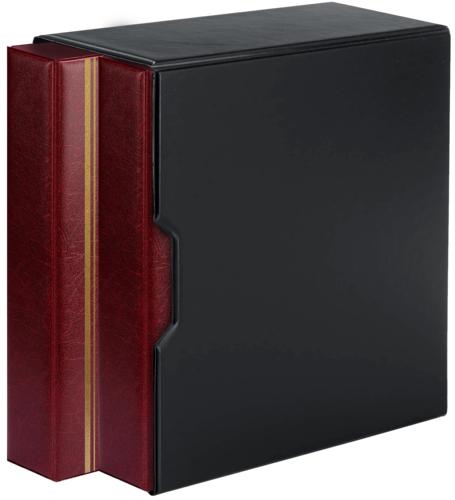
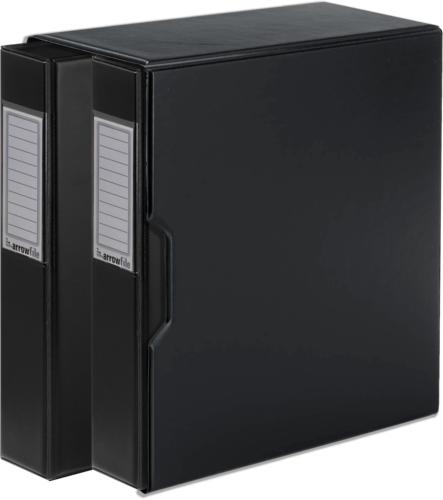
Tips on Organising CDs:
FACTS:
1. To replace your treasured CD collection can be a very costly and time consuming if not impossible exercise.
2. That CDs would last a lifetime without any protection is a Myth.
3. Your CDs are much more fragile than you think
4. The atmosphere can ruin your CDs
5. The type of storage you use will affect the longevity of your CDs.
6. The aluminium layer where the data is held is protected by only a thin layer of lacquer. 7. CDs become unreadable through rust when air and moisture penetrate through the thin layer of lacquer and can be caused by:
A chemical reaction when the discs come in contact with CD cover or Sleeve notes.
Stacking CDs over each other.
Accidentally rubbing against the so-called protective CD-Cases
Harsh and poor handling, including flexing the CD when pulling out. 8. CD manufacturers recommend all CDs to be handled with care and stored vertically, book Style, and not in the PVC CD-Cases.
9. Most CD Racks allow only horizontal storage with limited or no indexing facility.
10. The Manufacturers play down the significance of the problem of CDs rotting, fearing the record companies will be inundated with demands for refunds or replacements.
11. CD Rack Storage systems encroach on your living space.
12. The size of the font used to denote the title and artist on the side of the “CD case” makes it a great struggle to find the title you are looking for.
Handling CDs
1. Handle discs by the outer edge and the center hole using only the thumb and Index finger. Apply caution to any system that makes the CDs flex when handling.
2. Use a Felt-Tip permanent marker Pen or CD label Pen to mark the label side of a CD.
3. Keep Discs Clean. Wipe with cotton fabric in a straight line from the center of the disc toward the outer edge. ( Arrowfile CD pockets use Safety Sleeve which cleans as you remove the CD from the pocket)
4. Return the Disc immediately after use to their Non PVC Plastic Pockets.
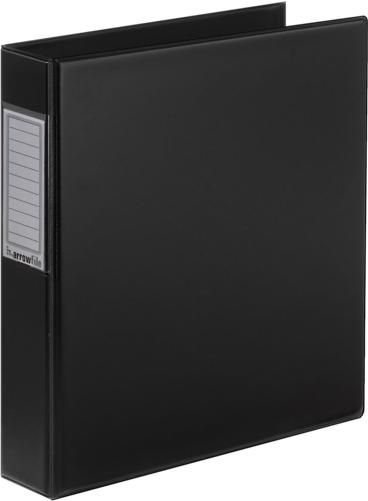
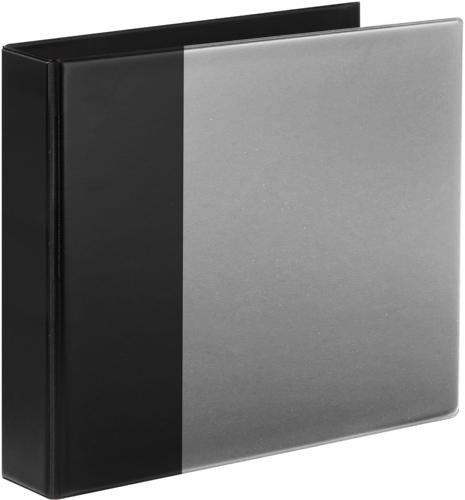
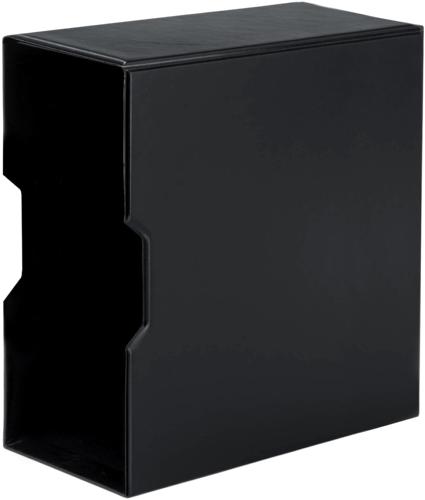
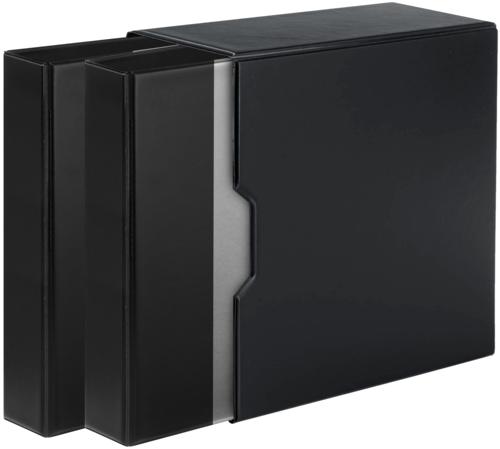
5. Store Discs Upright (book Style) in Arrowfile CD-Organiser. |